


Complete Your Dream Game Room
Browse our expertly curated collection of family fun games.
Your ultimate family night begins here. Family fun entertainment for every room.

SHUFFLEBOARD
A game of skill that is enjoyed by all but takes a lifetime to master.

POOL TABLES
The Finest Designs and Best Performing tables.

AIR HOCKEY
Fast Paced Action That Will Make Your Game Room Jump.
Quick-Turnaround Shipping
Free shipping over $49. Most products ship from our own warehouse.
Expert Product Guidance
Call (877) 358-5579, Mon-Fri 8am-6pm ET to chat with a game room specialist.
Easy Financing with Klarna
Pay over time with convenient, stress-free payment options.
The Latest From Our Blog
Feb 20th 2024
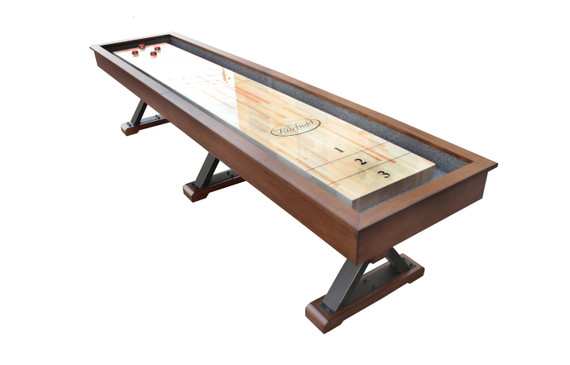
Pro v home style shuffleboard
While both home style and pro style shuffleboard tables offer a fun and engaging game experience, t…
Read More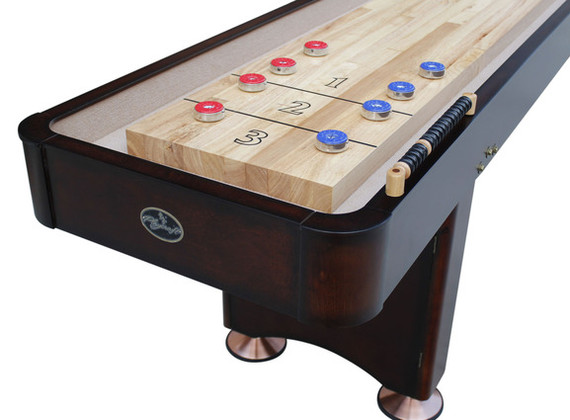
Feb 20th 2024
Woodbridge v the Georgetown
We are often asked to describe the difference between the Woodbridge and Georgetown shuffleboard tab…
Read More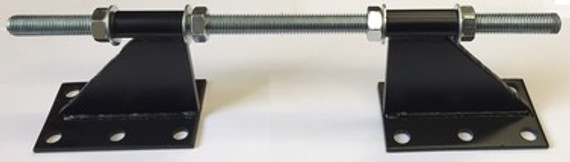
Feb 20th 2024
Pro style climate adjusters
Several years ago Playcraft made the decision to switch all climate adjusters to an upgraded style t…
Read More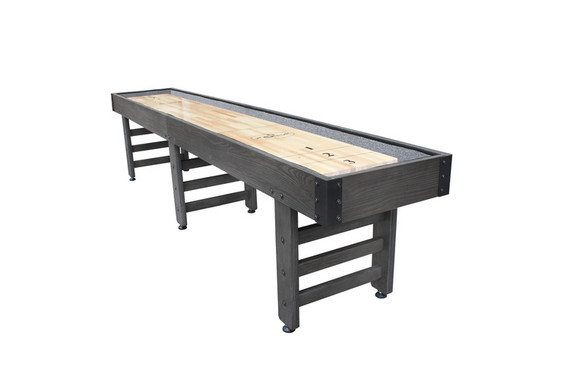
Feb 20th 2024
Saybrook Shuffleboard
The Saybrook shuffleboard table is a special one deserving of its own stage. It is a home style ta…
Read MoreWe carry all major game room brands




Game Rooms, Game Tables, Shuffleboard, Billiards and Pool Tables
Welcome to eFamilyFun, your go-to experts for the best in game rooms. We strive to be your ultimate resource for game tables, equipment for game rooms, Shuffleboard tables, foosball tables and pool tables. Our dedicated professionals are committed to providing you with the most extensive selection of high quality, family-friendly products for affordable prices and outstanding value. Whether a business-owner, an avid entertainer, or a close-knit family, our products will forge bonds by inspiring spirited fun and friendly competition.
We are dedicated to creating an easy and enjoyable shopping experience for every customer. When you order from eFamilyFun, you will benefit from outstanding and professional service. Our agents are seasoned professionals with years of experience. They are friendly, knowledgeable, and ready to assist with anything you may need while shopping. As with all online orders, larger items will arrive unassembled with a base shipping option of curbside (back of truck) delivery. Please review our shipping terms and delivery video for a best in class review of how the industry works. . For select items and locations, we offer higher level shipping and assembly options to satisfy every need and budget. These delivery options can be selected in the shipping calculator, or by contacting an eFamilyFun sales representative. It is recommended that assembly is purchased for all slate pool tables.
At eFamilyFun, we understand how jam-packed schedules can take us away from important recreation time. We want to be a part of recapturing that leisure time. From Ping Pong and Billiards for family night, to a game of shuffleboard with friends, we want to help you reconnect with fun. Enjoy browsing eFamilyFun, and please do not hesitate to contact our agents with any questions or requests. We know a lot about game rooms and we are here to help.